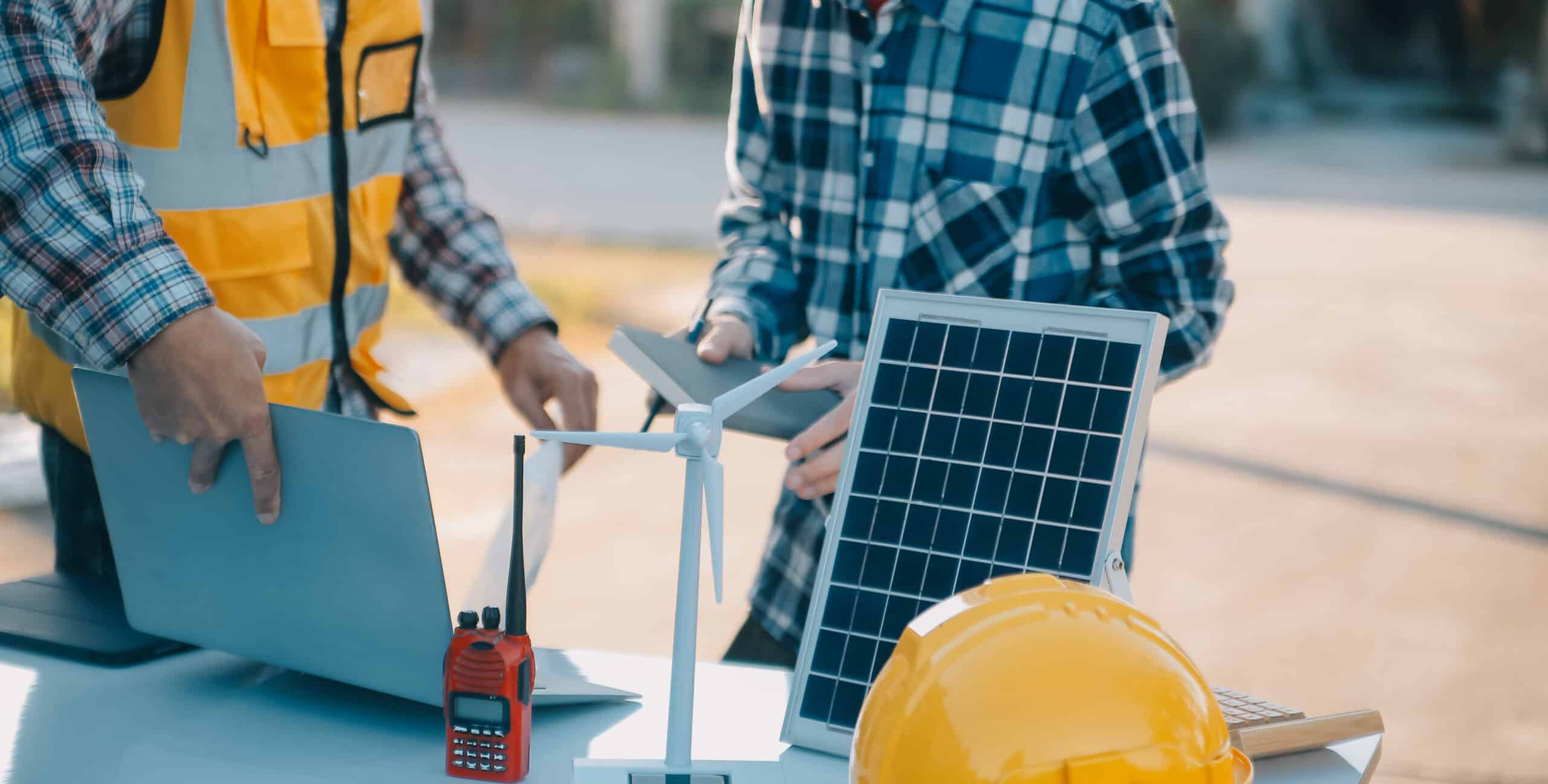
Wind energy recruitment is no longer just about finding one technical specialist for one open role. As Australia’s wind projects become larger, more complex and more connected to the wider clean energy system, hiring teams need people who can support every stage of the project lifecycle.
From early development and approvals to grid connection, construction, commissioning and long-term operations, each phase needs a different mix of capability. The strongest wind project teams are built with that full picture in mind.
For employers, this means recruitment has to be sharper than a standard job ad. For professionals, it means wind energy careers can open up in more ways than many people expect, especially for those with experience across infrastructure, utilities, power generation, construction, engineering and major projects.
Wind Projects Need Different People at Different Stages
A wind project does not need the same team from start to finish.
During early development, the focus may sit around feasibility, planning, approvals, stakeholder engagement and commercial decision-making. As the project moves closer to delivery, the hiring need shifts towards project engineering, grid capability, construction leadership, HSE, contractor coordination and programme control.
Once the project reaches commissioning and operations, the priority changes again. The business needs people who can support reliability, safety, performance and long-term asset value.
That is why wind energy recruitment works best when the hiring brief is shaped around the project stage, not only the job title.
A “project engineer” on one wind project may need strong technical coordination experience. On another, the role may require deeper construction interface management. A grid specialist may need power systems knowledge, HV infrastructure experience or transmission interface capability, depending on the project’s requirements.
The title matters, but the problem the person needs to solve matters more.
The Roles Behind Successful Wind Delivery
Wind projects depend on people who can connect technical detail with practical delivery.
A strong team may include wind energy engineers, project development specialists, electrical engineers, grid connection experts, project engineers, site managers, construction managers, commissioning specialists, HSE professionals and operations leaders.
Each role contributes something different.
Wind energy engineers may support technical assessment, design review, optimisation, turbine layout considerations or asset-related decisions. Project development professionals may work across approvals, feasibility, stakeholder coordination and early commercial planning. Project engineers help translate technical plans into real delivery activity, keeping scope, quality, interfaces and programme pressure aligned.
Construction and site leaders bring discipline to the build phase, where safety, sequencing, accountability and communication matter every day. Commissioning and operations professionals then help shift the project from construction activity into performance-focused asset management.
No single role carries the whole project. Wind delivery depends on how these people work together.
Why Grid Capability Is Such a Critical Hiring Area
Grid connection is one of the most important technical pressure points in wind energy recruitment.
A wind project can have strong development planning and good commercial support, but grid complexity can still influence timing, design, cost and delivery decisions. That makes grid-related hiring one of the areas employers need to define carefully.
Electrical specialists may be involved in power systems work, HV infrastructure, substations, network requirements, transmission interfaces or broader technical coordination. The right person depends on the project, the internal team, the delivery model and the expertise already available inside the business.
In a competitive talent market, candidates also need a clear reason to engage. They need to understand the challenge, the project stage, the team structure and the value of the work. A vague grid brief can make a difficult role even harder to fill.
Transferable Skills Can Strengthen Wind Project Teams
Not every strong wind candidate will come from a direct wind background.
Professionals from infrastructure, utilities, power generation and major project environments can bring valuable experience into wind energy, especially where the role requires technical judgement, stakeholder coordination, delivery discipline or commercial awareness.
This matters because wind projects are not only engineering challenges. They are also planning, financing, procurement, construction and operational challenges.
A professional with major infrastructure delivery experience may understand complex stakeholder environments. Someone from utilities may bring useful knowledge of networks, safety standards or regulated environments. A candidate from power generation may understand asset performance, operational risk and technical decision-making.
Transferable skills should not be assumed, but they should be considered carefully. The right fit depends on the role requirements, technology, project stage, location, salary expectations and candidate availability.
Why Targeted Wind Energy Recruitment Matters
Wind energy recruitment works best when it is targeted, informed and realistic.
Recruitment outcomes depend on role requirements, market conditions, candidate availability, salary, location, timing and the client process. They also depend on how clearly the opportunity is positioned.
A strong recruitment process should answer important questions early.
- What does the person need to solve?
- Which skills are essential and which can be developed?
- What project stage are they joining?
- Who will they work with?
- What experience will genuinely transfer?
- What will make the opportunity worth considering for the right candidate?
This kind of clarity helps employers avoid broad, generic searches. It also helps candidates understand whether the role is a strong match for their experience and career direction.
The Best Candidates May Not Be Actively Looking
In specialist markets, the right person is not always applying for jobs.
Many strong candidates are already employed, busy on major projects or not actively searching. They may be open to the right opportunity, but only if the role is clearly positioned and relevant to their experience.
That is why candidate engagement matters.
A modern recruitment approach needs more than advertising. It needs market knowledge, targeted sourcing, data, technology, digital marketing and meaningful conversations with both active and dormant talent.
For hard-to-fill roles, dormant talent engagement can be especially important. The strongest candidate may not be visible in the active market, but they may still be reachable with the right message, timing and opportunity.
What Employers Should Define Before Hiring
Before going to market, hiring teams should be clear on more than the job title.
They should define the project stage, reporting lines, technical requirements, delivery expectations, location needs, salary range, contract or permanent structure and the type of candidate background that could realistically fit.
It also helps to separate what is essential from what is preferred.
For example, does the role truly require direct wind experience, or could someone from power, infrastructure or utilities bring the right capability? Is the most important requirement technical depth, stakeholder coordination, site delivery experience or commercial judgement?
Clear briefs lead to better searches. They also reduce delays caused by shifting expectations halfway through the process.
How Vinova Supports Wind Energy Recruitment
Vinova is a specialist energy and renewables recruitment business operating across Australia and New Zealand. Powered by Precision Sourcing, Vinova was established in 2024 to meet the need for a high-quality specialised energy recruitment partner.
The business works across permanent staffing, contract staffing, executive search, project-based staffing and talent pooling. Its recruitment focus spans project development, engineering, delivery, operations, finance, commercial and construction roles for energy and renewable infrastructure businesses.
For wind energy recruitment, Vinova supports employers by helping define hiring needs clearly, engage relevant technical and commercial talent, and build recruitment processes that reflect the realities of the sector.
The goal is not only to fill a vacancy. It is to help build teams that can support the next stage of Australia’s clean energy future.
Questions Employers Ask About Wind Energy Recruitment
Click each question to open the answer.
What makes wind energy recruitment different?
Wind energy recruitment is highly project-stage dependent. A development-stage project, a construction-stage project and an operational asset may all need different skills, even when the job titles sound similar.
Which roles are important in wind project delivery?
Common roles include wind energy engineers, project development professionals, project engineers, electrical engineers, grid connection specialists, site managers, construction managers, HSE professionals, commissioning specialists and operations leaders.
Can candidates move into wind from other sectors?
Yes, depending on the role. Professionals from infrastructure, utilities, power generation and major projects may bring relevant skills, especially in technical coordination, project delivery, stakeholder management, commercial functions or asset operations.
Why is grid connection hiring so important?
Grid connection can influence project timing, design, commercial decisions and delivery risk. Strong electrical and grid capability helps projects manage one of the most complex interfaces in renewable infrastructure.
How can employers improve their hiring process?
Employers can improve hiring by defining the project stage, role expectations, essential skills, salary range, location requirements and candidate value proposition before going to market.
Building the Teams Behind Australia’s Wind Future
Australia’s next wave of wind projects will need more than technical ambition. It will need the right people in the right roles at the right project stage.
From engineering and grid capability to construction delivery, commissioning and operations, wind energy recruitment is becoming more connected, more specialised and more important to project success.
For employers, the opportunity is to build teams with clarity and precision. For professionals, the sector offers meaningful career pathways in one of the most important parts of the clean energy transition.
Vinova helps energy and renewables businesses across Australia and New Zealand find the specialist talent needed to move wind projects forward with confidence.
Build Specialist Energy Teams With Vinova
For targeted support across wind, renewable energy and energy infrastructure recruitment, speak to Vinova about the roles, skills and specialist talent your project needs next.
Talk to Vinova