The Growth of Renewable Energy Careers in Australia’s Leading Cities
As the global transition to renewable energy accelerates, renewable energy careers are becoming a major force in shaping Australia’s workforce. Sydney, Melbourne, and Brisbane are at the forefront of this change, offering a growing number of opportunities across wind, solar, battery storage, and emerging technologies. From entry-level trade jobs to senior engineering and project management roles, the renewable sector is creating a new era of green jobs for professionals across all experience levels.
This shift is not only helping Australia meet its carbon reduction goals, but also transforming how cities plan infrastructure, attract investment, and train future workers. Whether someone is seeking to switch industries, start a new technical apprenticeship, or progress in a clean energy company, renewable energy careers now offer long-term stability and career advancement.
The clean energy workforce is not a niche field. It is expanding across construction, engineering, logistics, safety, data analytics, environmental compliance, and education. In key cities such as Sydney, Melbourne, and Brisbane, the rapid pace of renewables investment is creating strong job demand that is expected to continue well into the next decade.
Clean Energy Infrastructure Driving Demand for Skilled Workers
Much of the growth in renewable energy careers is being driven by the surge in infrastructure projects across the eastern states. Large-scale solar farms, wind projects, and battery installations are being built to meet rising energy demand and replace aging fossil fuel systems. In Sydney, upgrades to grid infrastructure and rooftop solar adoption have accelerated job growth. Melbourne is seeing a rise in green construction projects and clean energy startups. Brisbane has become a hub for battery storage employment and solar farm roles as Queensland ramps up its renewables capacity.
Each of these cities is contributing in different ways to the expansion of green jobs. Some roles focus on installation and construction, others on engineering design, systems integration, or environmental planning. Career seekers entering the field may find themselves working on-site during the build phase or taking on long-term operations and maintenance roles once systems go live.
Employers are looking for electricians, crane operators, safety officers, project coordinators, and civil engineers, but they are also hiring support staff in fields such as procurement, legal compliance, and logistics. This broad demand has opened the door for professionals from many different industries to find new paths in renewable energy careers.
Wind Energy Jobs: A Strong Sector in Career Expansion
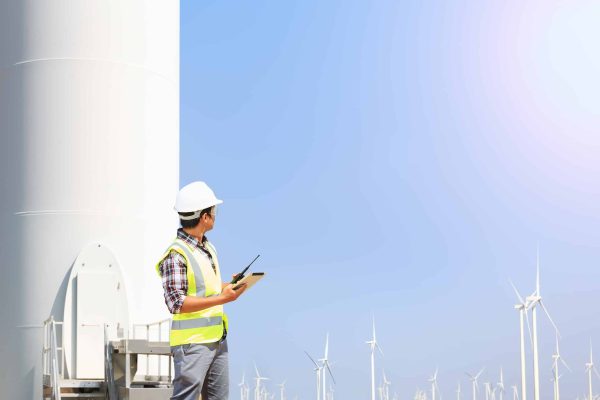
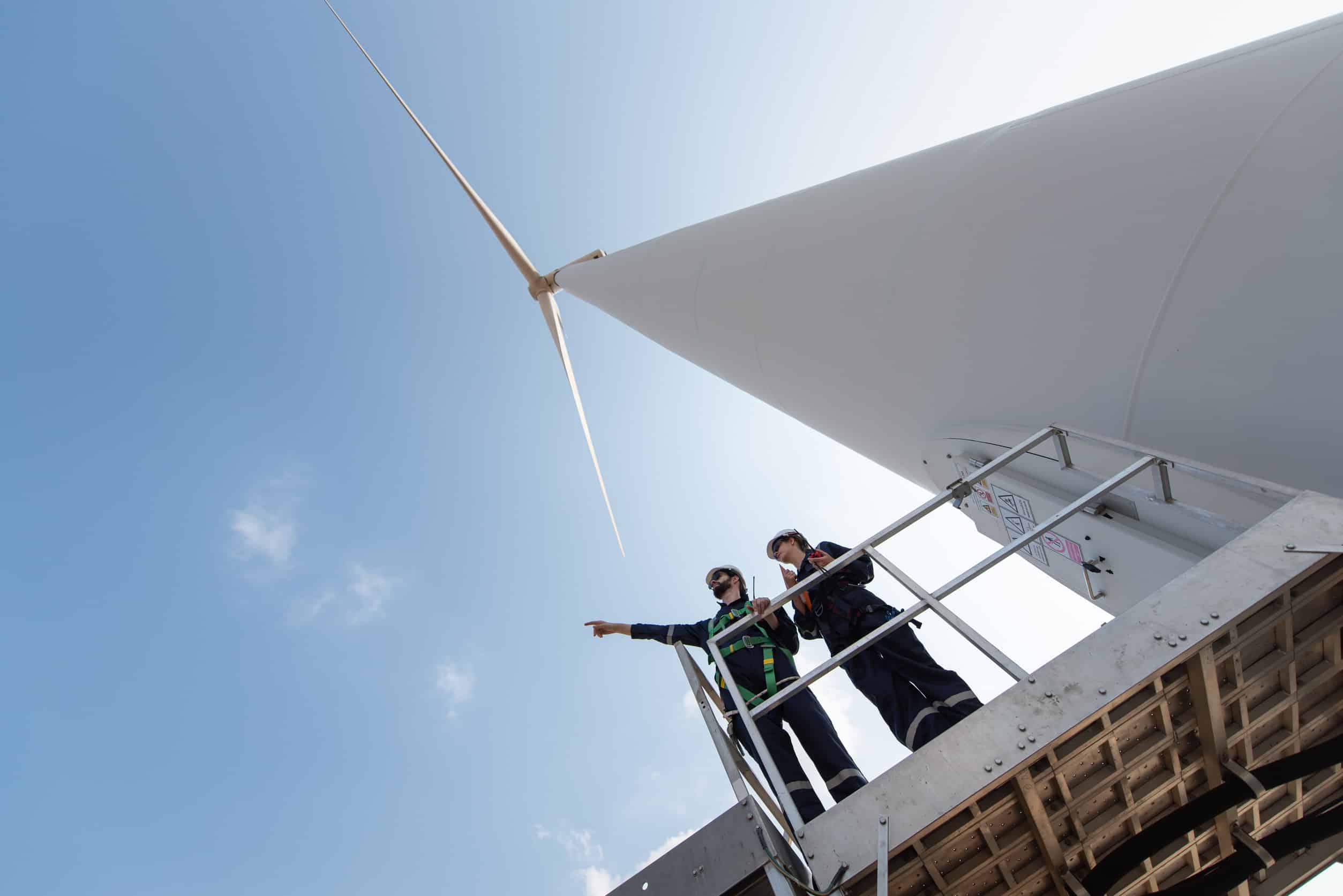
Wind energy jobs are an important part of the renewables mix in Australia. As new onshore wind farms are developed in regional areas near major cities, job opportunities are opening up in both metro and rural zones. For residents of Sydney, Melbourne, and Brisbane, these projects often involve travel to sites during construction phases, followed by long-term remote monitoring, maintenance, and operations roles that can be performed from city-based offices or control centers.
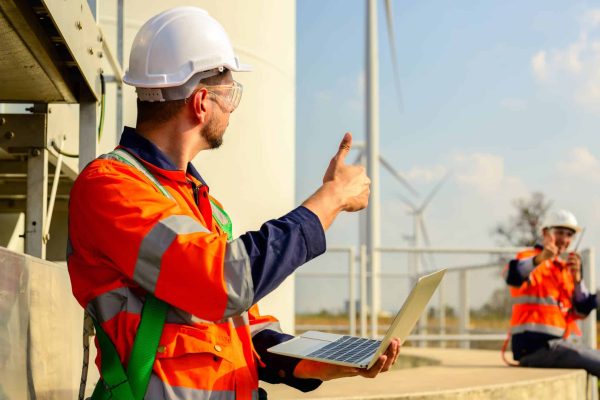
Typical wind energy jobs include blade technicians, turbine installation experts, commissioning engineers, and operations supervisors. These roles often require specific training or certification, particularly for working at heights and managing mechanical systems. Many employers now offer entry pathways for workers with relevant trade qualifications, allowing them to upskill into the wind energy sector.
As the government increases investment in wind capacity, especially in Victoria and New South Wales, the demand for qualified professionals is only expected to rise. This makes wind energy jobs a reliable long-term choice for anyone looking to work in a technical, outdoor, or mechanical setting.
Solar Farm Roles in Sydney, Melbourne, and Brisbane
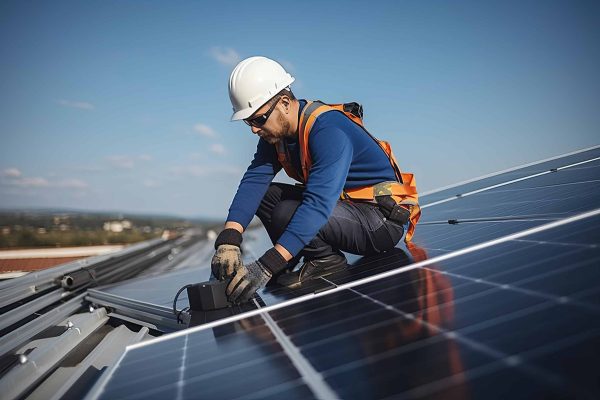
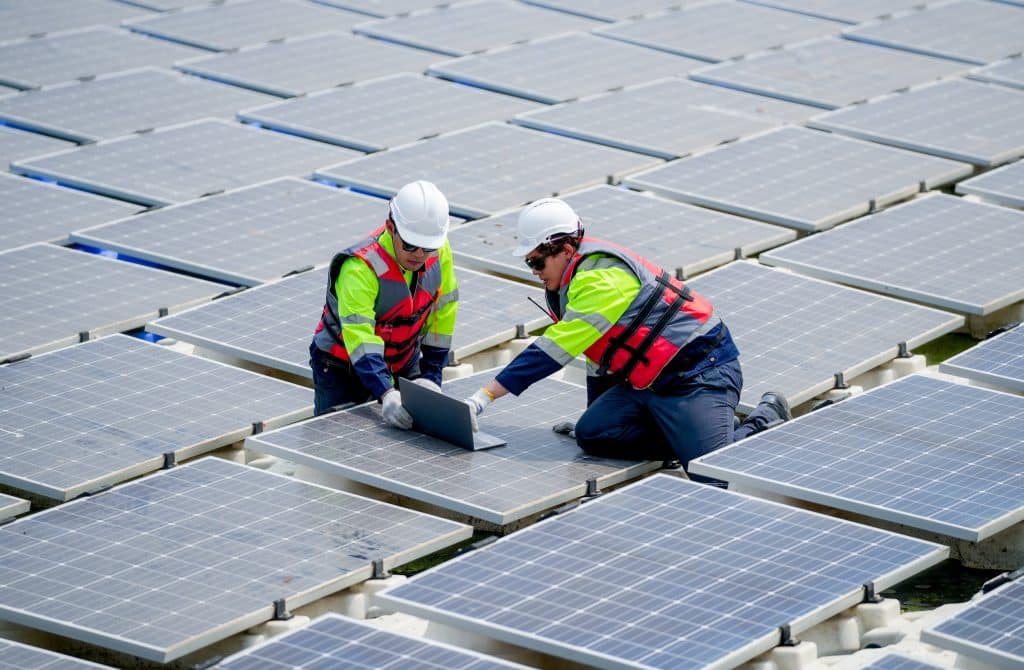
Solar power continues to be one of the fastest-growing energy sources in Australia. Across Sydney, Melbourne, and Brisbane, new solar farms are being approved and constructed to meet state-level clean energy targets. These projects require large-scale coordination and staffing, creating a wide variety of solar farm roles that are well-suited to people with hands-on skills or experience in construction, electrical work, or equipment operation.
Typical solar farm roles include electricians, cable installers, solar panel assemblers, health and safety officers, and quality control inspectors. Many of these roles are temporary during the build phase, but a growing number of positions now extend into the long-term maintenance and performance monitoring of solar infrastructure. Additionally, as commercial and industrial solar systems increase in popularity, urban job growth in solar-related fields is also expanding.
Solar careers are often attractive to job seekers because the training pathways are relatively short, and many positions allow for direct entry with trade skills and worksite certifications. For residents of Sydney, Melbourne, or Brisbane looking to move into a growth industry, solar farm roles offer a fast track to meaningful employment.
Battery Storage Employment: The Future of Grid Stability
Battery storage employment is a rising force in clean energy careers, particularly in cities where grid stability is a priority. Sydney, Melbourne, and Brisbane are all experiencing increased investment in battery storage systems, both at the grid scale and for commercial applications. These projects support the overall reliability of renewable energy by storing power during low-demand periods and releasing it during peak hours.
Employment in battery storage ranges from technical engineering and system design to on-site construction and commissioning. High-voltage electricians, systems integration engineers, and software specialists are in demand to ensure safe and efficient operation. Additionally, roles in monitoring, diagnostics, and analytics are emerging as battery systems become more data-driven.
Battery storage employment is especially relevant in urban areas because many installations are located near major substations, industrial zones, or within existing energy infrastructure. For those with backgrounds in electrical systems, automation, or energy analytics, this sector offers both specialization and career longevity. As more governments and businesses invest in grid resilience, battery storage careers are positioned to grow in scale and complexity.
The Broader Scope of Green Jobs Across the Energy Industry
While the technical aspects of renewable energy careers receive the most attention, there is also a wide ecosystem of green jobs that support the industry in other ways. Legal advisors, environmental consultants, policy analysts, education professionals, and marketing specialists are increasingly finding roles in the renewables sector.
Green jobs now include work in urban planning, energy efficiency auditing, sustainable design, and environmental impact assessment. In Sydney, many public infrastructure projects require sustainability officers to ensure compliance with clean energy guidelines. In Melbourne, renewable startups are hiring business development specialists and software developers. Brisbane’s university partnerships are driving demand for research roles and technical educators.
This broadening scope means that renewable energy careers are no longer limited to tradespeople or engineers. They now offer opportunities across multiple disciplines, allowing professionals from diverse backgrounds to participate in the clean energy transition.
Education and Training Pathways for Career Seekers
For those interested in entering the clean energy workforce, education and training are essential. Across Sydney, Melbourne, and Brisbane, there are a growing number of institutions offering qualifications specifically focused on renewable energy. These include technical colleges, registered training organisations, and universities offering certificates, diplomas, and degrees in energy systems, sustainability, and project management.
Many employers in the sector also offer on-the-job training and apprenticeships. For example, someone with an electrical trade qualification may be able to gain additional certification in solar installation or battery safety. These practical learning models are especially valuable in helping workers transition from other industries.
Government programs are also supporting workforce development. In some cases, funding is available for upskilling, especially for individuals from disadvantaged backgrounds or regional communities. For job seekers in Sydney, Melbourne, or Brisbane, local job hubs and clean energy associations often provide workshops, networking events, and resources to explore career options.
Renewable Energy Careers and Long-Term Job Stability
One of the strongest advantages of choosing a career in the renewable energy sector is long-term job stability. As state and federal governments commit to 2030 and 2050 net-zero targets, the demand for skilled workers will remain high for decades. Clean energy projects are often multi-year investments, and their operations span decades beyond initial construction.
This long-term outlook creates career paths that are structured, predictable, and supportive of growth. Entry-level workers can advance into supervisory roles, project managers can specialize in different technologies, and engineers can move into leadership or strategic planning positions. Companies are also investing in employee retention by offering ongoing training, flexible work options, and clear career development plans.
For workers in Sydney, Melbourne, or Brisbane, renewable energy careers offer not only strong wages and job satisfaction, but also a sense of purpose. Many professionals find fulfillment in contributing to environmental goals while securing their financial future.
Frequently Asked Questions
What are the most in-demand renewable energy careers in Australia right now?
Roles in high demand include solar installers, wind turbine technicians, battery systems engineers, project managers, electricians, and environmental consultants. Support roles in compliance, logistics, and education are also seeing steady growth.
Do I need a university degree to work in renewable energy?
Not always. Many roles, particularly in solar farm construction, wind maintenance, and battery storage installation, require trade qualifications rather than university degrees. However, engineering, design, and policy roles often require formal academic training.
How do I find green jobs in Sydney, Melbourne, or Brisbane?
Job seekers can start by exploring clean energy job boards, recruitment firms specializing in the sector, or contacting training providers that offer industry connections. Networking and industry events are also helpful for learning about opportunities in specific cities.
Are renewable energy careers suitable for people switching from other industries?
Yes. Many professionals from construction, mining, oil and gas, electrical trades, and logistics are making successful transitions into the renewables sector. Transferable skills are highly valued, and training pathways are available to support upskilling.
Which city has the most opportunities for solar farm roles?
All three cities have growing solar industries, but Brisbane and regional Queensland are currently seeing some of the highest volumes of large-scale solar projects. Sydney and Melbourne also offer strong job prospects in commercial and residential solar markets.
Explore Renewable Energy Careers in Sydney, Melbourne, and Brisbane
The clean energy transition is more than an environmental movement. It is a reshaping of how cities function, how industries operate, and how individuals build their careers. In Sydney, Melbourne, and Brisbane, renewable energy careers are no longer future possibilities. They are present-day realities offering opportunity, purpose, and long-term growth.
Whether you are starting your career, reskilling from another industry, or advancing into a leadership role, the renewable energy sector offers the chance to work on meaningful projects that power communities and protect the planet. Now is the time to take the next step toward a career in clean energy and become part of Australia’s sustainable future.