The Rise of Renewable Energy Jobs in a Changing Economy
Australia’s energy economy is shifting rapidly, and one of the most visible effects is the rise in renewable energy jobs. As solar, wind, hydro, and battery storage projects continue to gain momentum nationwide, employment across the clean energy industry is growing at a steady pace. From rural construction sites to corporate energy offices in major cities, clean energy careers are opening up in nearly every part of the country.
This growth is not happening in isolation. It is part of a broader transition away from fossil fuels and toward more sustainable, future-proof solutions. With national and state-level targets driving policy, infrastructure development, and private investment, the demand for workers in the renewables sector is at an all-time high.
Renewable energy jobs are emerging as one of the most stable and future-focused employment paths in Australia. Whether someone is entering the workforce for the first time, reskilling from another industry, or looking to advance in an existing role, opportunities in the energy sector continue to expand across multiple fields and disciplines.
Energy Recruitment Trends Reflecting Industry Growth
As the energy landscape evolves, energy recruitment strategies are adapting to match the scale and speed of renewables development. Hiring needs now extend well beyond traditional engineering or construction roles. While those remain core functions, there is also strong demand for project managers, environmental planners, electricians, procurement coordinators, grid analysts, and even communications professionals.
Recruiters specialising in the energy sector are working closely with employers to fill positions across all phases of project delivery. Early-stage roles may focus on permitting, design, and consultation. Mid-stage jobs involve civil works, turbine or panel installation, and commissioning. Long-term employment is found in operations and maintenance, grid coordination, and energy monitoring.
The goal of energy recruitment is not just to place candidates quickly, but to ensure long-term fit and workforce sustainability. Many firms are now taking a strategic approach, helping employers forecast hiring needs and build pipelines of talent. For workers, this means more visibility into available roles, better career planning, and access to high-quality training and upskilling options.
Renewables Employment Across Sectors and Skill Levels
One of the strongest aspects of renewables employment is its wide reach. Jobs exist across various education levels, from entry-level trade work to advanced engineering and technical design. Many roles are well-suited to individuals with backgrounds in construction, mining, oil and gas, or logistics who want to transition into clean energy careers.
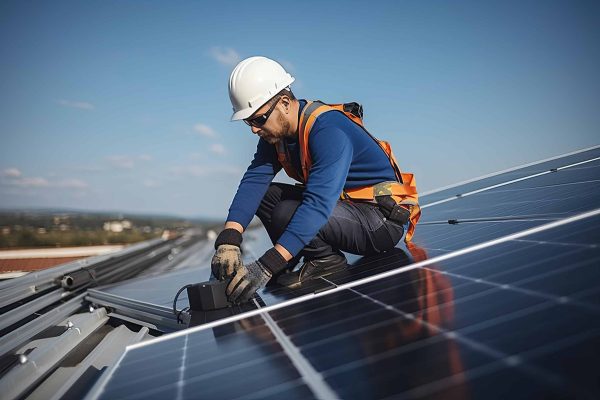
Tradespeople, especially electricians, have significant opportunities across solar, wind, and battery projects. With additional certifications, such as working at heights or high-voltage system training, they can enter the renewables workforce with strong earning potential and job stability.
Engineers remain highly sought after in the sector. Civil, electrical, and mechanical engineers are all needed to design, build, and maintain infrastructure. Project engineers and grid integration specialists are essential to ensuring that energy systems function safely and efficiently across networks.
Administrative and operational roles are also growing. Compliance officers, human resources coordinators, schedulers, and finance professionals are essential to supporting large-scale energy companies. Their work enables the sector to meet regulatory requirements and maintain high standards for safety and performance.
The Long-Term Outlook for Clean Energy Careers
Clean energy careers are not simply part of a short-term construction boom. They are becoming embedded in the long-term economic fabric of the country. As renewable energy projects transition from development into ongoing operation, the industry requires a workforce capable of maintaining systems for decades.

Long-term roles in operations, maintenance, and performance monitoring are now available across solar farms, wind farms, and battery storage facilities. These roles offer ongoing employment with clear advancement pathways, benefits, and the potential to move between project sites or technology types.
In addition, as Australia invests more heavily in offshore wind, green hydrogen, and virtual power plant technologies, a new wave of renewable energy jobs is expected to emerge. Workers who join the sector now will be in a strong position to take on leadership roles as these technologies scale.
For professionals interested in a stable, meaningful career path, the clean energy sector offers the opportunity to contribute to national sustainability goals while building valuable, transferable skills.
Regional and Urban Energy Sector Jobs
Renewable energy jobs are not limited to large cities. In fact, many of the fastest-growing employment opportunities are found in regional and rural areas where infrastructure projects are located. Solar farms in Queensland, wind projects in Victoria, and transmission upgrades in South Australia are just a few examples of developments creating new job opportunities in less-populated areas.
In these settings, clean energy careers bring multiple benefits. Workers may find strong wages and lower living costs, while communities benefit from economic growth and infrastructure improvements. Many companies prioritise local hiring for construction phases and seek community partnerships to enhance inclusion and diversity.
Urban centers such as Sydney, Melbourne, and Brisbane are also major hubs for energy sector jobs. These roles often focus on engineering, policy, compliance, planning, and operations. Head offices for renewable energy companies are often located in capital cities, along with supporting industries such as legal, environmental consulting, finance, and data analytics.
This urban and regional balance allows workers to find renewable energy jobs that suit their lifestyle preferences, travel requirements, and career development goals.
Transferring Skills Into the Renewables Workforce
One of the key factors supporting growth in renewable energy jobs is the ability for workers to transfer skills from other industries. Construction workers, miners, gas technicians, and marine operators are just some of the professionals now moving into renewables with minimal retraining.
This is especially true for those with experience in electrical systems, heavy equipment operation, logistics, and safety management. With the right certifications and orientation, these individuals can apply their existing knowledge to energy projects with confidence.
Training organisations and employers are recognising this trend by offering transitional programs and fast-tracked certification options. These programs reduce onboarding times and help expand the available workforce at a time when demand is outpacing supply.
This cross-industry mobility supports economic resilience and gives workers more options in times of industry change. It also improves workforce diversity by drawing on a wider range of experiences and perspectives.

Sustainability and Purpose in Energy Sector Jobs
In addition to job security and career growth, many workers are drawn to renewable energy jobs because of the sense of purpose they provide. Contributing to cleaner air, climate action, and sustainable infrastructure is meaningful for individuals across all walks of life.
Surveys show that more workers are prioritising values when choosing employers, and the clean energy sector is well-positioned to meet this demand. Companies are increasingly highlighting their environmental and social commitments, supporting community partnerships, and investing in inclusive hiring practices.
This shift in culture benefits both employees and employers. Workers feel more engaged when they believe in the mission, and companies benefit from improved retention, performance, and brand reputation.
For those seeking careers that align with their personal values, clean energy careers offer a compelling option.
Navigating Entry Points Into the Sector
Job seekers exploring renewable energy jobs have multiple entry points. For students, vocational training programs and apprenticeships in trades like electrical, plumbing, and mechanical systems can lead to fast-track employment. Many registered training organisations offer specialisations in solar or wind installation, battery systems, or sustainable design.
University graduates with degrees in engineering, environmental science, or data analysis can find strong entry-level pathways with major energy firms. Graduate programs, internships, and research positions provide hands-on experience and networking opportunities.
For mid-career professionals, recruitment firms specialising in energy staffing can offer targeted advice, role matching, and support in transitioning into the sector. Many employers now look beyond formal qualifications to assess skills, experience, and alignment with project requirements.
Knowing where to start depends on personal background, interests, and location. However, support networks across Australia are growing, and job seekers have access to more resources than ever before to help navigate the shift into clean energy careers.
Frequently Asked Questions
What types of renewable energy jobs are in demand?
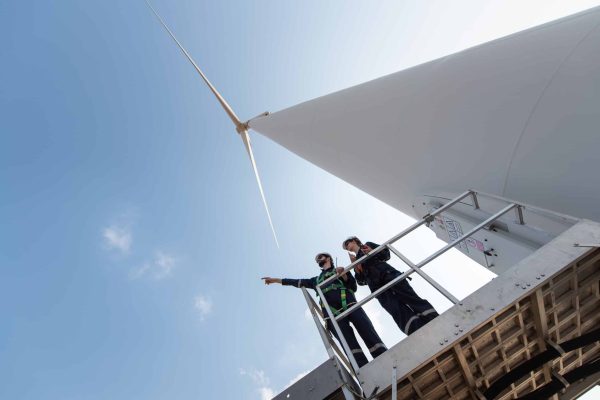
In-demand roles include electricians, solar installers, wind turbine technicians, battery system operators, project engineers, and environmental compliance officers. There is also growth in support roles such as procurement, safety management, and grid coordination.
Do I need experience to work in renewable energy?
Not necessarily. Many entry-level roles offer on-the-job training, especially for candidates with transferable skills from other industries. Some technical roles require trade certifications or safety training, but employers often provide pathways for upskilling.
How can I move from another industry into a clean energy career?
Start by identifying overlapping skills, such as electrical, mechanical, or logistical experience. Then explore short courses or certifications that meet industry requirements. Working with a recruitment firm can help match your background to available roles.
Are renewable energy jobs permanent?
Many roles begin as short-term contracts during project construction but lead to permanent positions in operations and maintenance. As clean energy infrastructure matures, long-term job stability is increasing across the sector.
Where in Australia are energy sector jobs available?
Jobs are available nationwide, but current hotspots include regional Queensland, Victoria’s wind corridor, and South Australia’s battery and solar projects. Urban centers like Sydney and Melbourne also offer roles in planning, analytics, and corporate support.
Explore the Future Through Renewable Energy Jobs
Australia’s clean energy future depends not only on technology and infrastructure, but also on the strength of its workforce. Renewable energy jobs are more than a trend — they are a long-term solution for economic growth, environmental sustainability, and meaningful employment.
As the sector expands, the need for skilled, adaptable, and passionate workers continues to rise. Whether entering the field for the first time or bringing experience from another industry, clean energy careers offer unmatched opportunities for those ready to contribute to something bigger.
The future of energy is here. For those seeking a purposeful path, the time to explore a career in renewables is now.